
Oceans Under Pressure — The Growing Instability of the Marine Carbon Sink
by
The decline of the land carbon sink is only one part of a larger, systemic shift underway in the Earth’s carbon cycle.
Oceans—our planet’s largest long-term carbon reservoir—are now showing early signs of weakening capacity to absorb anthropogenic CO₂. As global temperatures rise and marine heatwaves intensify, the ocean’s physical and biological processes that regulate carbon storage are becoming increasingly vulnerable.
Together, these changes point toward a troubling possibility: the simultaneous weakening of both major natural carbon sinks, which would accelerate the buildup of atmospheric carbon and narrow the remaining carbon budget far more quickly than current models assume.
1. The Ocean Carbon Sink: A Giant Under Stress
Historically, the world’s oceans have absorbed around 25–30% of human CO₂ emissions each year. This has slowed the pace of global warming—but at a cost. Ocean warming, acidification, deoxygenation, and circulation changes are now reducing the efficiency of this natural buffer.
Key Drivers of the Weakening Sink
Warmer water can hold less CO₂. With global sea-surface temperatures reaching record highs in 2023–24, the solubility-driven uptake is decreasing precisely when emissions remain high.
The ocean’s biological pump—phytoplankton absorbing CO₂ and moving carbon downward through the food web—is extremely sensitive to temperature spikes. Heatwaves in the Pacific, North Atlantic, and Indian Oceans reduced phytoplankton productivity in 2023, leading to lower carbon uptake.
Evidence shows that the Atlantic Meridional Overturning Circulation (AMOC) is weakening. This circulation is crucial for transporting dissolved carbon from the surface to the deep ocean. A slower AMOC implies slower long-term sequestration and greater atmospheric CO₂ retention.
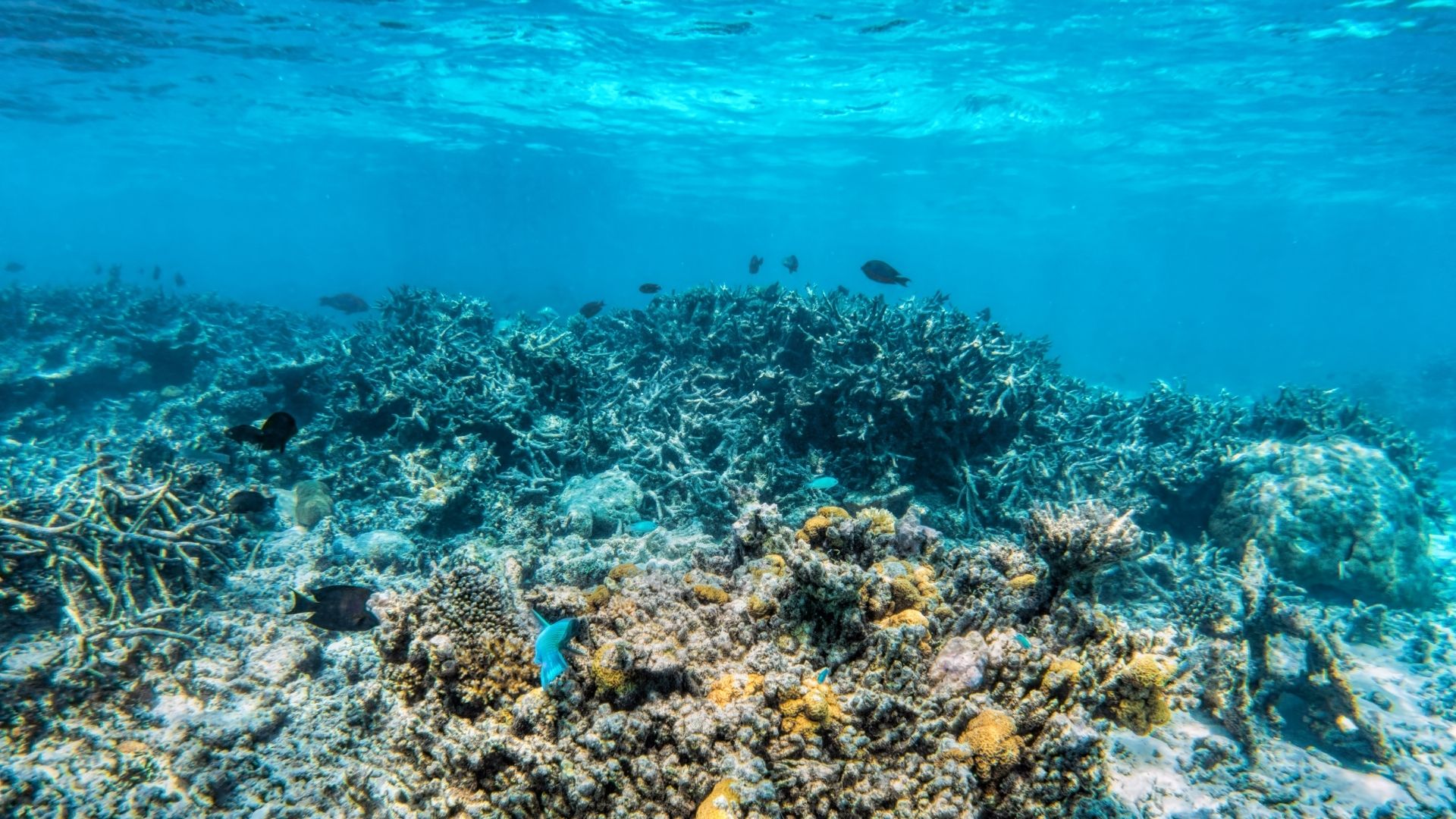
As CO₂ dissolves into seawater, it forms carbonic acid, reducing carbonate ion availability. This threatens corals, mollusks, and plankton that form calcium carbonate shells—key biological players in ocean carbon burial.
2. A Feedback Loop With Land Carbon Loss
What makes the marine decline especially concerning is its interaction with the land carbon changes.
The land–ocean–atmosphere system is beginning to behave less like a stable buffer and more like a self-reinforcing loop.
3. Marine Ecosystems Reaching Tipping Points
4. Short-Term Events, Long-Term Consequences
Ocean recovery is harder to observe and often slower than land-based ecosystems, increasing the risk of permanent weakening.
5. Policy Implications: Why Oceans Must Enter the Climate Governance Agenda
Current NDCs largely ignore ocean carbon dynamics. Standardized ocean monitoring is essential.
Mangroves, seagrasses, and salt marshes can store up to ten times more carbon per hectare than forests.
Improved data supports better carbon budgets and early-warning systems for marine tipping points.
6. The Road Ahead
The weakening of both land and ocean carbon sinks signals a shift toward a less stable Earth system.
