
Introduction to GHG Audit and Its Importance
by Sustainability Desk
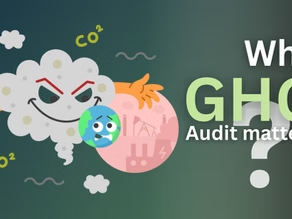
The urgency of addressing climate change has never been more pronounced. As businesses and organizations strive to reduce their environmental footprints, understanding greenhouse gas (GHG) emissions becomes crucial. Enter the GHG audit—a comprehensive evaluation that not only measures emissions but also serves as a roadmap for sustainability.
A GHG audit goes beyond just numbers; it reveals insights into how operations impact the planet. With increasing regulatory pressures and consumer demand for transparency, knowing your emissions is no longer optional—it's essential. This article delves into why a GHG audit matters now more than ever and explores its vital role in paving the way toward a greener future.
Whether you're an established corporation or a startup, embracing this practice can lead to significant benefits both environmentally and economically.
Understanding Climate Change and Greenhouse Gas Emissions
Greenhouse gas emissions are a significant contributor to climate change. These gases, including carbon dioxide, methane, and nitrous oxide, trap heat in the atmosphere. This process leads to rising global temperatures and disrupts weather patterns.
Human activities like burning fossil fuels and deforestation amplify these emissions. Industries, transportation systems, and agriculture play pivotal roles in this complex equation.
The impact is evident: melting ice caps, severe droughts, and unpredictable storms threaten our environment. Communities face challenges such as food shortages and displacement due to extreme weather events.
Understanding this connection between human actions and environmental consequences is crucial for creating effective solutions.
The Role of GHG Audit in Accounting Emissions and Decarbonizing
GHG audits play a crucial role in understanding an organization's carbon footprint. By quantifying greenhouse gas emissions, these audits provide a clear picture of where reductions can be made.
This process involves collecting data on energy use, transportation, waste management, and other activities contributing to emissions.
Reducing emissions isn’t just about compliance; it’s also about innovation. The insights gained from a GHG audit often lead organizations to adopt cleaner technologies or shift towards renewable energy sources.
Regular auditing fosters accountability and helps track progress toward sustainability goals.
Benefits of Conducting a GHG Audit for Businesses and Organizations
Conducting a GHG audit offers businesses and organizations a clear roadmap to sustainability. By measuring emissions, companies can identify key areas for improvement, leading to better resource management and cost savings.
A GHG audit enhances corporate reputation by demonstrating transparency and environmental responsibility, attracting customers and investors.
It also supports regulatory compliance, helping organizations meet legal requirements and avoid penalties.
Additionally, audits foster innovation and build a culture of accountability across the organization.
Steps to Conduct a GHG Audit
Conducting a GHG audit begins with defining the scope, identifying emission sources such as energy use and waste management.
The next step involves collecting accurate data, including fuel usage, electricity consumption, and operational processes.
Organizations then apply recognized calculation methods, such as the Greenhouse Gas Protocol, to ensure consistency.
Results are analyzed to identify major emission sources, documented transparently, and shared with stakeholders.
Third-Party Assurance
Third-party verification ensures the credibility of GHG audits by validating emissions data against established standards.
Independent verification enhances transparency, builds stakeholder trust, and identifies gaps in sustainability practices.
Key Benefits of Third-Party Assurance
Third-party assurance improves credibility, provides unbiased insights, and supports regulatory compliance.
Verified audits strengthen market competitiveness by showcasing a company’s commitment to environmental responsibility.
Case Studies: Successful Outcomes of GHG Audits
A manufacturing firm reduced emissions by 30% within two years after optimizing energy use based on GHG audit findings.
An agricultural enterprise lowered emissions by 25% through precision farming techniques identified during its audit.
A retail chain improved its public image and reduced costs by lowering energy consumption across stores.
Challenges and Solutions
Common challenges in GHG audits include data collection difficulties, complex emission sources, and lack of expertise.
Solutions include staff training, automated tools, and collaboration with experienced third-party providers like Enen Green.
Why Enen Green
Enen Green is a leader in sustainability services and India’s only EcoVadis Approved Gold Rated Sustainability Service Provider.
The company offers tailored GHG audits, transparent reporting, and actionable insights to help organizations reduce emissions.
Conclusion: Taking Action Towards a Sustainable Future
A GHG audit is a critical step for organizations aiming to address climate change and improve sustainability performance.
With third-party assurance and expert guidance from Enen Green, businesses can navigate GHG audits with confidence.
By prioritizing sustainability today, organizations contribute to a healthier planet while unlocking long-term growth opportunities.
