
The Invisible Hand of Climate: 5 Surprising Ways Risk is Already Reshaping the Global Economy
by Nishad Nanavaty
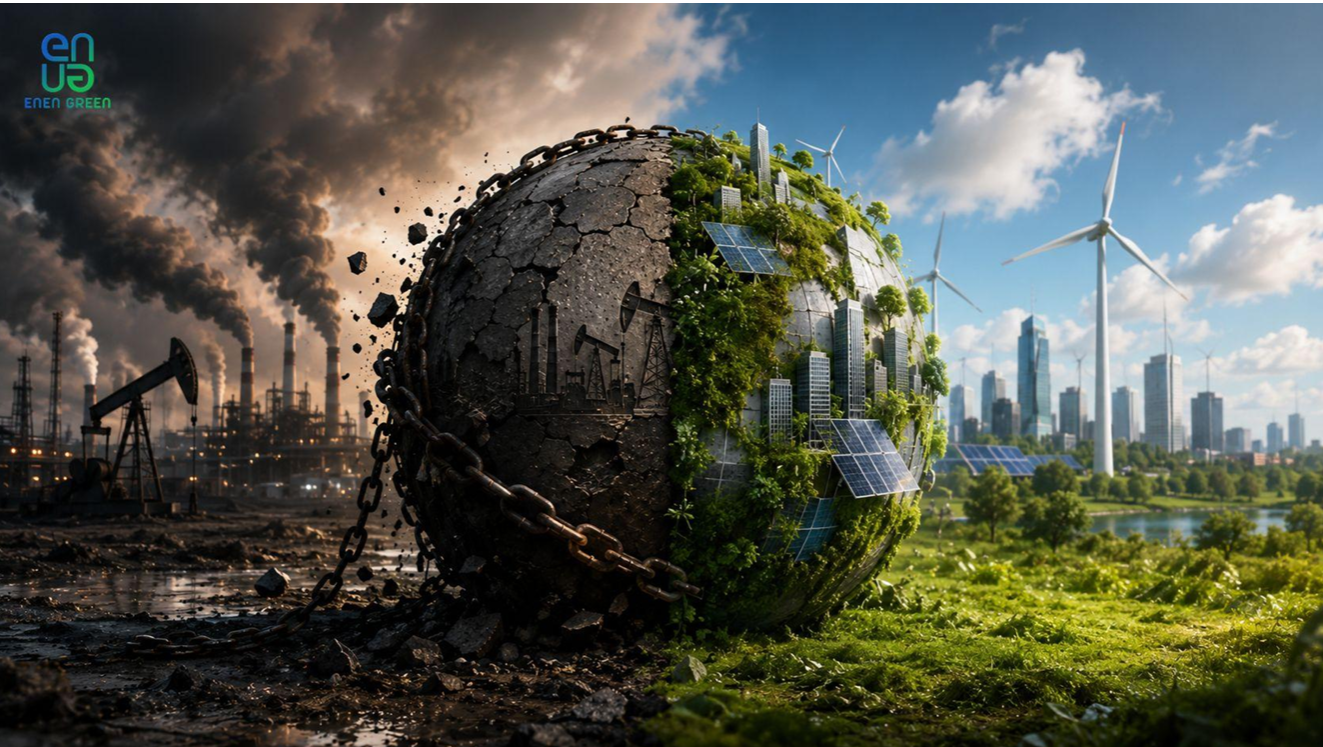
For decades, climate change sat on the periphery of corporate strategy—an ethical footnote for sustainability reports rather than a core financial metric. That era is over.
Climate risk has undergone a phase transition, moving from a future environmental concern to a primary driver of solvency and a present-day financial anchor. Global assets and systems are being devalued right now, often through hidden signals that elude traditional valuation models.
This article explores five ways climate-related financial risk—driven by the interaction of hazards, exposure, and vulnerability—is already reshaping the global balance sheet, from real estate discounts to the stranding of intangible human capital.
1. Stranded Assets Aren't Just About Coal and Oil
The term "stranded assets" was popularized in the context of unburned carbon in the energy sector, but the scope of this risk has expanded to encompass nearly every industry. Stranded assets are those that suffer unanticipated or premature write-downs, devaluation, or conversion into liability.
Today, stranding is increasingly viewed as a shift in utility rather than mere physical destruction. A beverage factory, for instance, faces profound physical vulnerability due to its dependency on local water sources; it can be stranded if a chronic hazard like climate-induced drought eliminates its water supply.
Furthermore, the risk extends beyond the tangible. Stranded assets now include intellectual property, social networks, company reputations, and human capital. As high-emitting industries face displacement, the specialized skills of their workforce and the value of their proprietary technology can become obsolete overnight, converting once-potent assets into systemic liabilities.
2. The Climate Discount Is Hitting Real Estate Decades Early
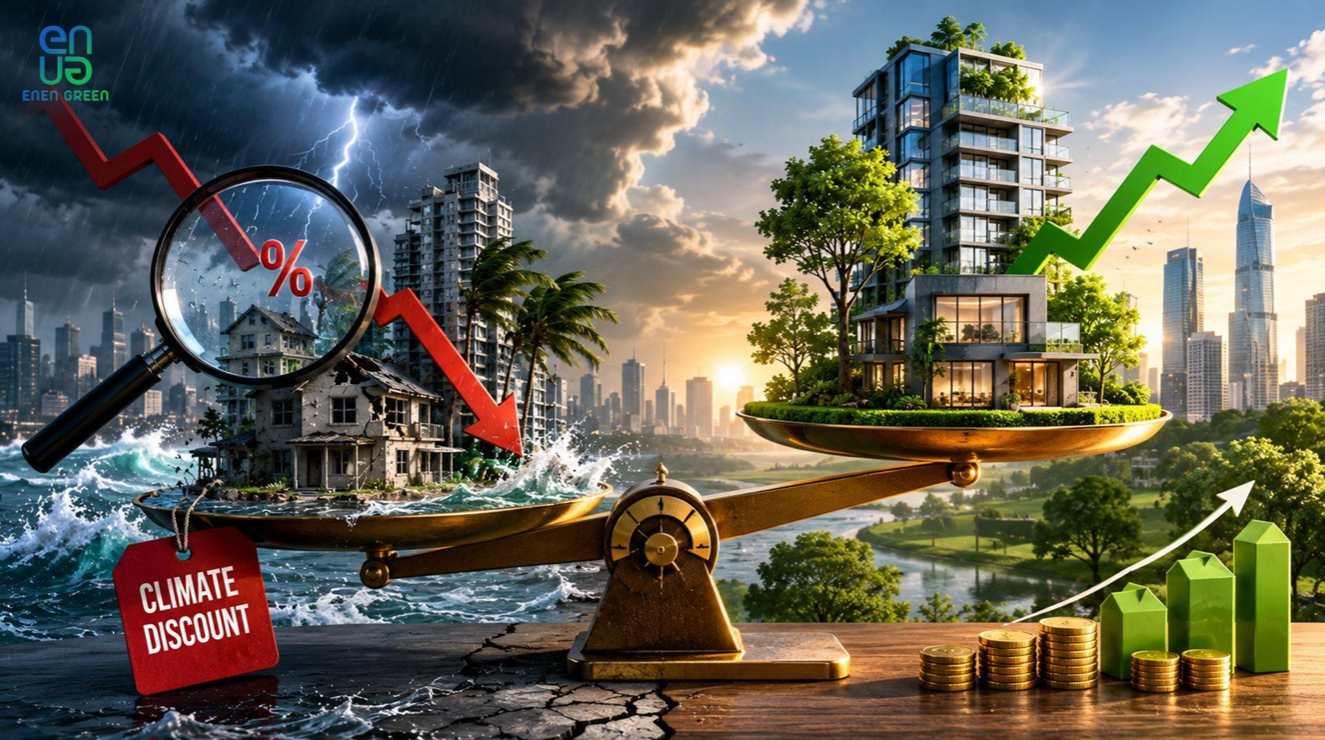
Real estate serves as a primary transmission mechanism for climate risk because buildings are geographically fixed—exposure is permanent. In the United States, coastal property markets are already exhibiting a sophisticated climate discount that reveals a surprising nuance in market psychology.
Empirical data shows that properties with just 1 foot (30 cm) of projected sea level rise sell at a 14.7% discount today, even though that rise isn't expected until 2100. Intriguingly, property exposed to 6 feet (2m) of rise sells at a much smaller 4.4% discount.
This hidden signal suggests the market is pricing in the certainty of near-term, minor rises more aggressively than the catastrophic but more distant long-term rise. The housing market is not waiting for the water; it is pricing the probability of future insolvency now.
3. Renewables Are Winning on Pure Math, Not Just Policy
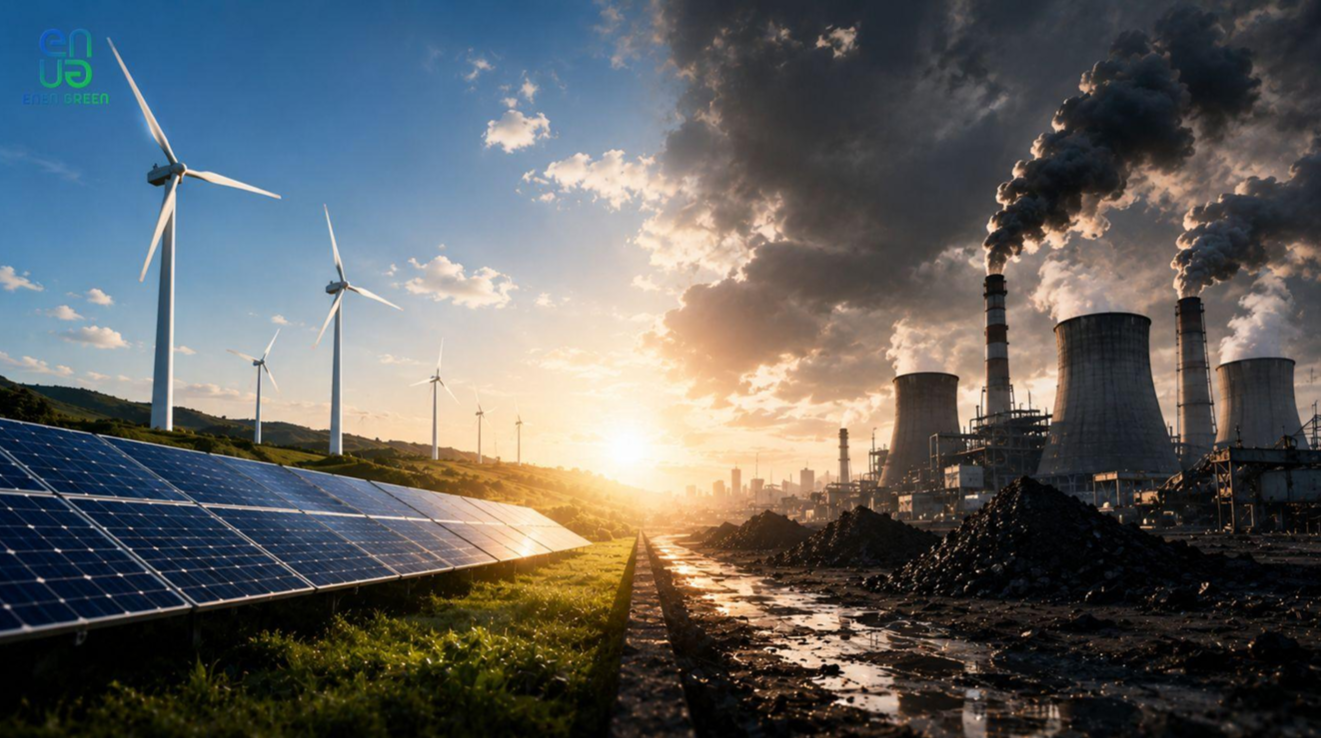
While carbon taxes and cap-and-trade schemes are critical drivers of transition risk, Technology Risk is now the more potent market force. Data on the Levelized Cost of Electricity (LCOE) confirms that traditional energy assets are facing displacement risk—where they are written off before their operational life ends—simply because they are becoming economically obsolete.
Without factoring in subsidies or tax credits, wind and solar are now frequently the cheapest forms of new electricity generation. This creates a powerful economic incentive to displace fossil fuel infrastructure, as seen in Germany's mandate to shut down all coal-fired plants by 2038. For the strategist, the risk is no longer just policy-driven; it is a mathematical inevitability.
4. The Just Transition Requires a Radical Shift in Consumption
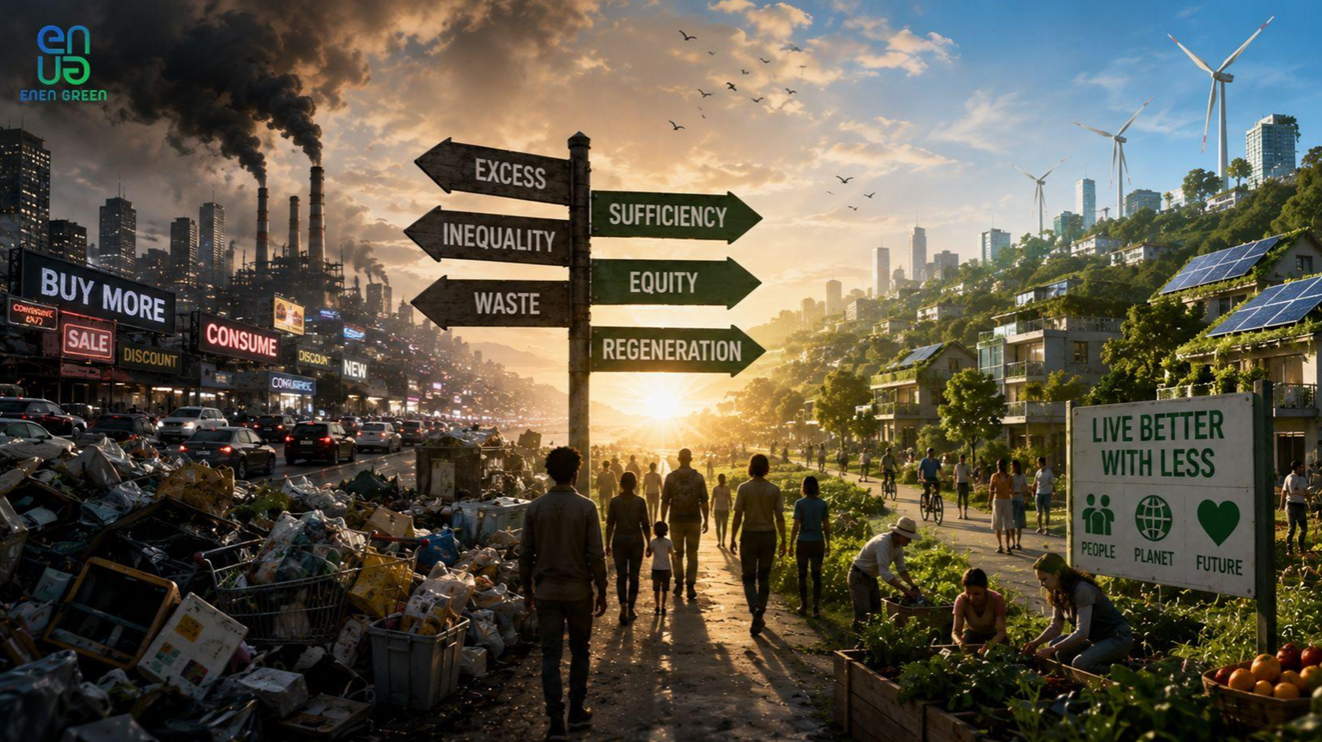
Transition risk is increasingly tied to an abstract but vital concept: the License to Operate. As defined in the GARP-SCR framework, this is the minimum requirement for acceptability that a business must meet to remain viable in the eyes of society. Firms that are inflexible or perceived as unfair during the shift to a low-carbon economy face massive reputational and operational risks.
A just transition means reconciling the sustainable use of natural resources with a pervasive commitment to sufficiency—so that overconsumers are satisfied with less, allowing underconsumers to secure enough.
For corporations, this means that a just transition is not just about social responsibility—it is about mitigating the risk of bottom-up pressure. If a company's transition plan ignores the sufficiency of the communities it impacts or fails to provide retraining for its workforce, it risks losing its societal mandate, leading to higher costs of capital and lost market share.
5. Climate Bankruptcy Is No Longer Theoretical
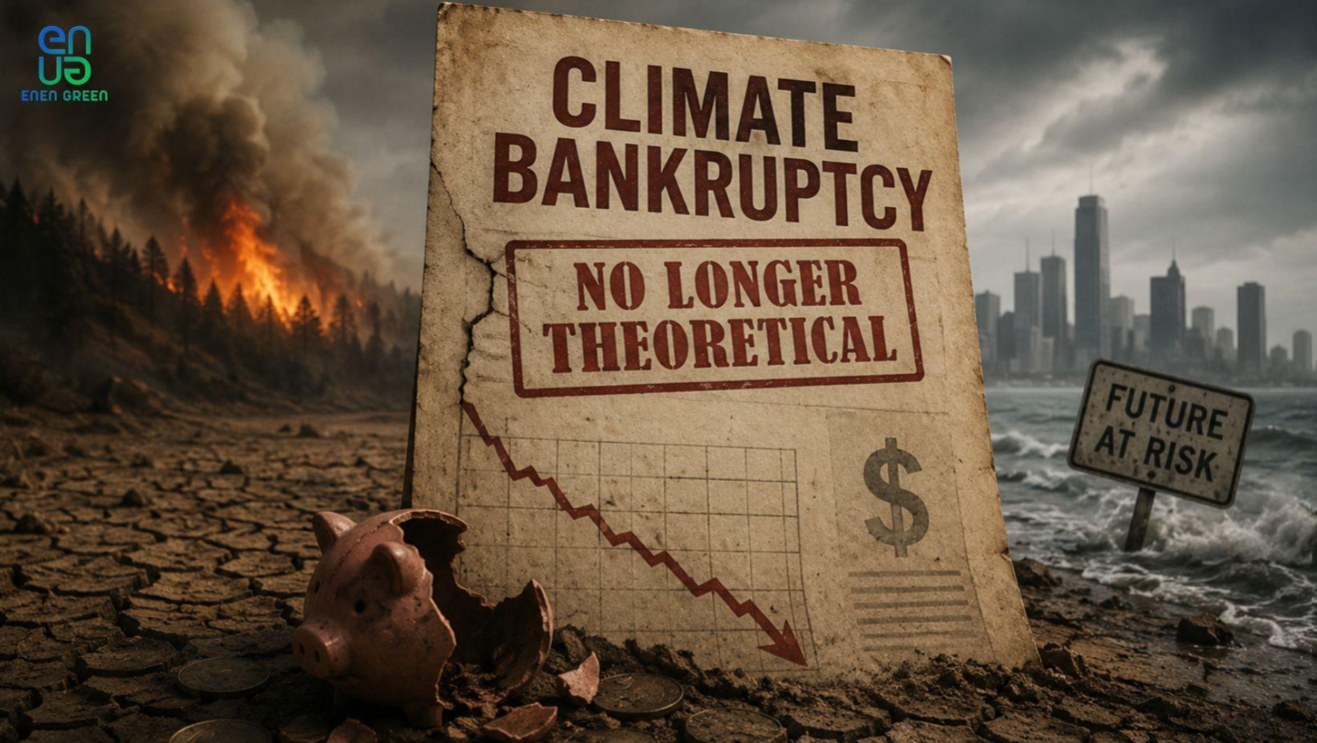
The legal landscape has shifted from theoretical warnings to Attribution Science. This emerging field serves as the smoking gun for climate litigation, allowing scientists to link specific extreme events directly to climate change and, crucially, to corporate negligence.
The distinction between an Acute Hazard (the wildfire) and Legal Liability (the failure to mitigate a known risk) is where firms find themselves vulnerable. Attribution science bridges this gap, making it increasingly possible to pin the cost of environmental disasters on specific corporate actors who failed to adapt.
Conclusion: Navigating the 1.5°C Reality
Climate risk is no longer an environmental metric—it is financial risk. Whether through the direct impairment of physical assets or the unprecedented speed and scale of economic transformation required for Net Zero, every balance sheet is now a climate balance sheet.
To navigate this landscape, the industry-standard TCFD framework provides a necessary compass through four parameters:
As the housing market and energy costs shift today based on the projected climate of 2100, the final question for any strategist is clear: Is your portfolio positioned for a 1.5°C world, or is it already becoming stranded?
